
When it comes time to replace your roof, choosing the right materials is one of the most important decisions you’ll face. The roof not only protects your home from the elements but also plays a crucial role in energy efficiency, curb appeal, and property value. With so many roofing materials available, it’s easy to feel overwhelmed. Understanding the benefits and limitations of each option will help you make an informed decision that aligns with your needs, budget, and aesthetic preferences.
Understanding Your Climate and Environment
 The first factor to consider is your local climate. Some materials perform better in hot, dry areas, while others are better suited to cold or rainy environments. For instance, asphalt shingles may work well in mild climates, but metal roofing is ideal for areas that experience heavy snowfall because it allows snow to slide off easily. In humid or coastal areas, resistance to mold, mildew, and salt corrosion is essential. Considering how a material will hold up in your specific region ensures your investment will last longer and require fewer repairs.
Weighing Durability and Lifespan
Longevity is a major factor when selecting a roofing material. Some homeowners prioritize materials that will last decades with minimal upkeep, while others are looking for a cost-effective solution that may need replacing sooner. Asphalt shingles are among the most common and affordable materials, but they typically have a shorter lifespan than more durable options like slate, clay tiles, or metal. Slate and clay tiles, while expensive, can last upwards of 50 to 100 years. Metal roofing also boasts impressive longevity and offers a balance between cost and durability.
Considering Energy Efficiency and Sustainability
Another important factor is energy efficiency. Some roofing materials are designed to reflect sunlight and reduce heat absorption, helping to lower cooling costs during the summer. Metal roofing, clay tiles, and some specialized shingles are excellent at reflecting UV rays. If environmental impact is a concern, there are also eco-friendly options made from recycled or sustainable materials. Choosing a roofing material that offers energy-saving benefits not only helps the environment but can also reduce your utility bills over time.
Evaluating Aesthetics and Style Compatibility
Your choice of roofing material also influences the overall appearance of your home. Different materials offer distinct looks that may or may not complement your architectural style. Slate tiles provide a classic, upscale look suitable for traditional homes, while metal roofing can give a sleek, modern appearance. Wood shakes offer rustic charm, often enhancing the aesthetic of cottages or cabins. Consider the exterior elements of your home, such as siding and trim, to ensure your new roof enhances the property’s visual appeal.
Factoring in Maintenance Requirements
All roofing materials require some level of maintenance, but some are more demanding than others. For example, wood shakes are attractive but need regular treatment to prevent rot and insect damage. Asphalt shingles typically require less upkeep but may need occasional replacement after storms or over time due to wear. Metal roofs, while low-maintenance, may need repainting or rust prevention in certain climates. It’s important to realistically evaluate how much maintenance you’re willing to commit to before making your final decision.
Understanding Installation and Structural Requirements
Different roofing materials come with different installation requirements. Heavy materials like clay or slate tiles require additional structural support and a professional installer experienced in handling them. Lightweight materials like asphalt or metal are easier and quicker to install, potentially reducing labor costs. It’s essential to consult with a roofing contractor to determine if your existing roof structure can support the material you have in mind or if modifications will be necessary.
Budgeting for Upfront and Long-Term Costs
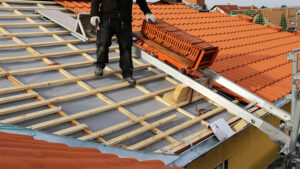 Cost is often a deciding factor for many homeowners. It’s crucial to balance your budget with your long-term goals. While asphalt shingles are typically the most affordable upfront, they may need to be replaced more frequently than more expensive alternatives. On the other hand, metal, slate, or clay roofs have higher initial costs but offer greater longevity, energy savings, and lower maintenance expenses. Don’t forget to factor in costs such as labor, permits, and any structural reinforcements when planning your reroofing project.
Working with a Trusted Roofing Contractor
The quality of installation is just as important as the material itself. A trusted and experienced roofing contractor can guide you through the selection process, provide insights based on your home’s condition and location, and ensure the materials are installed properly. Good workmanship extends the lifespan of your roof and minimizes the chance of future issues. It’s always wise to check references, ask about warranties, and get a written estimate before starting any roofing project.